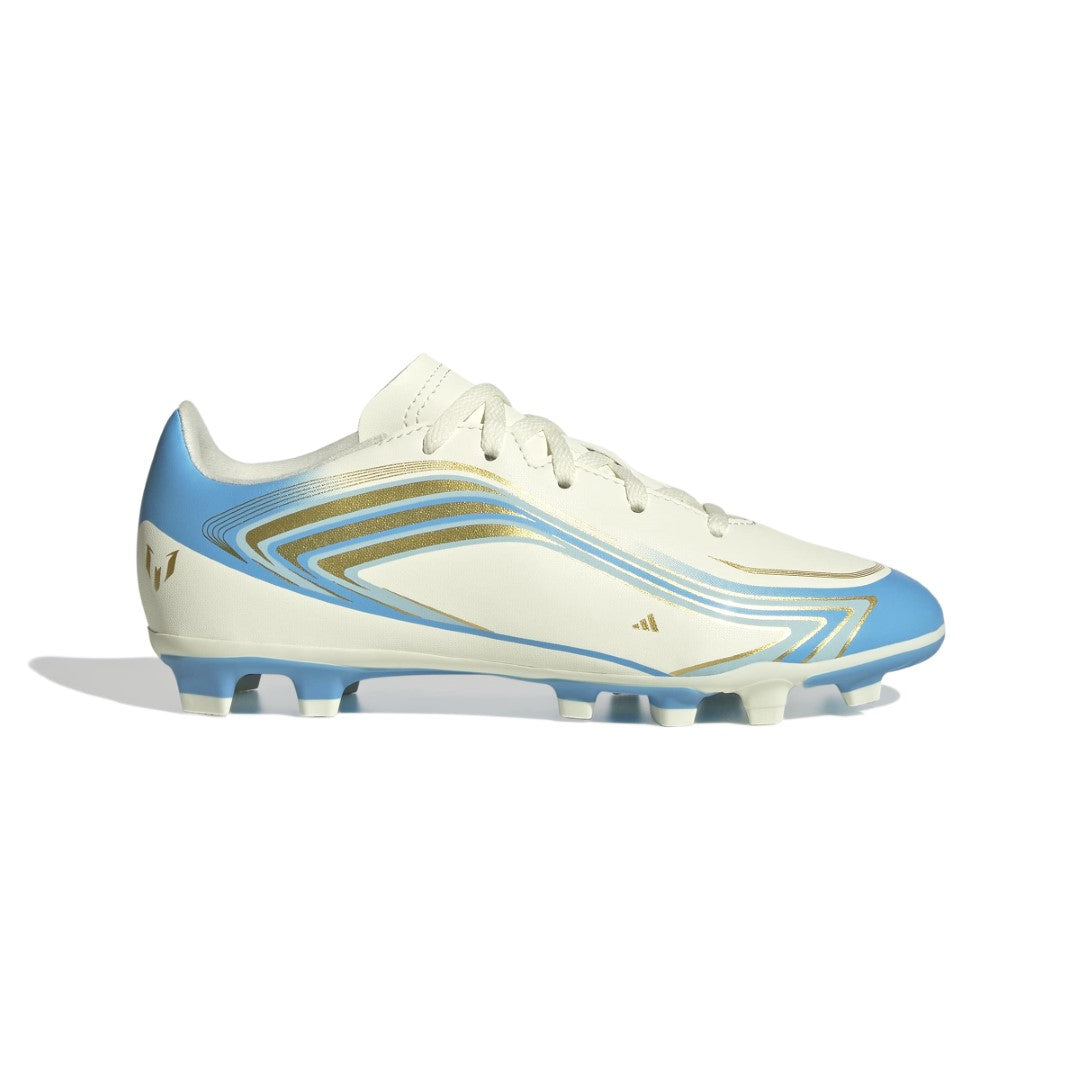
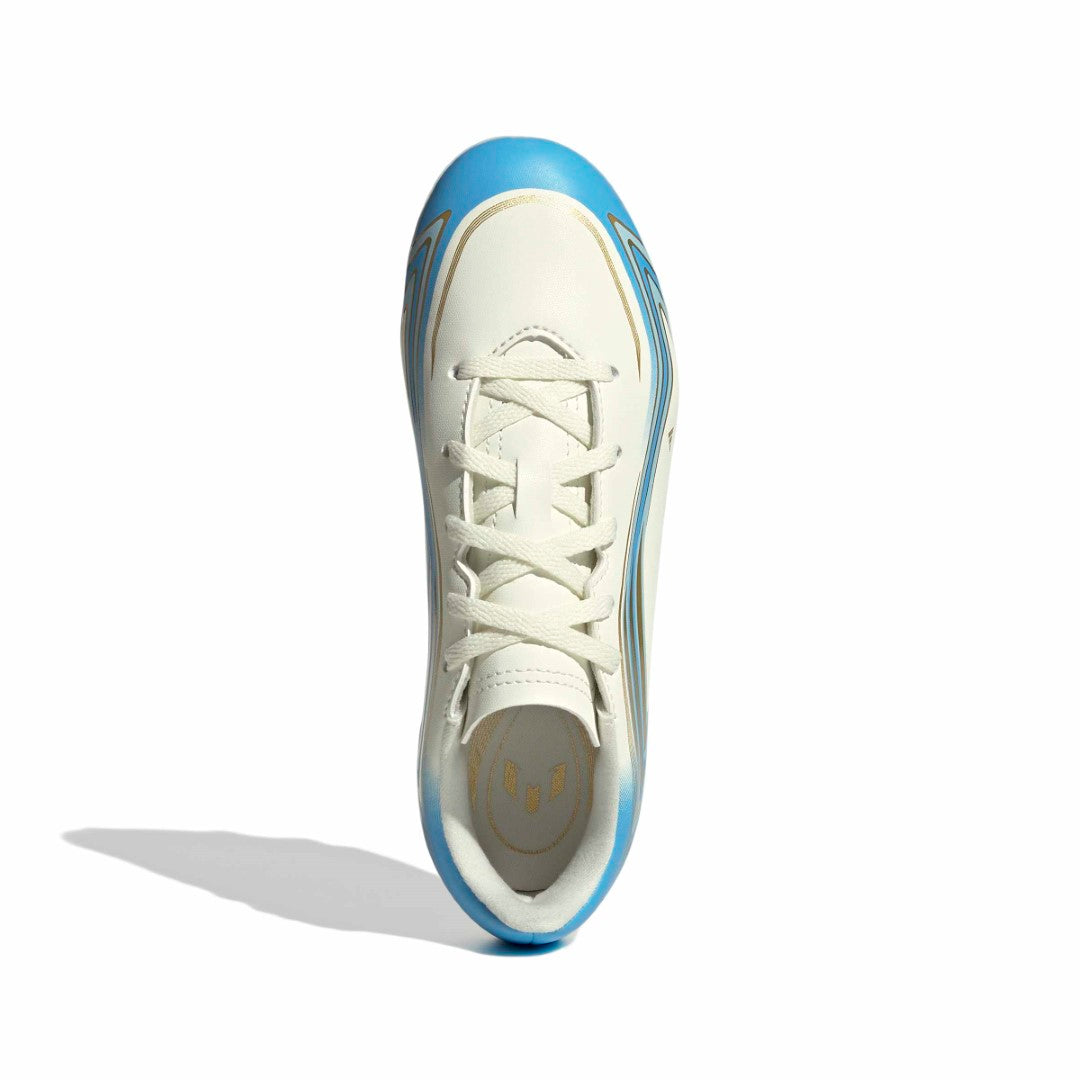
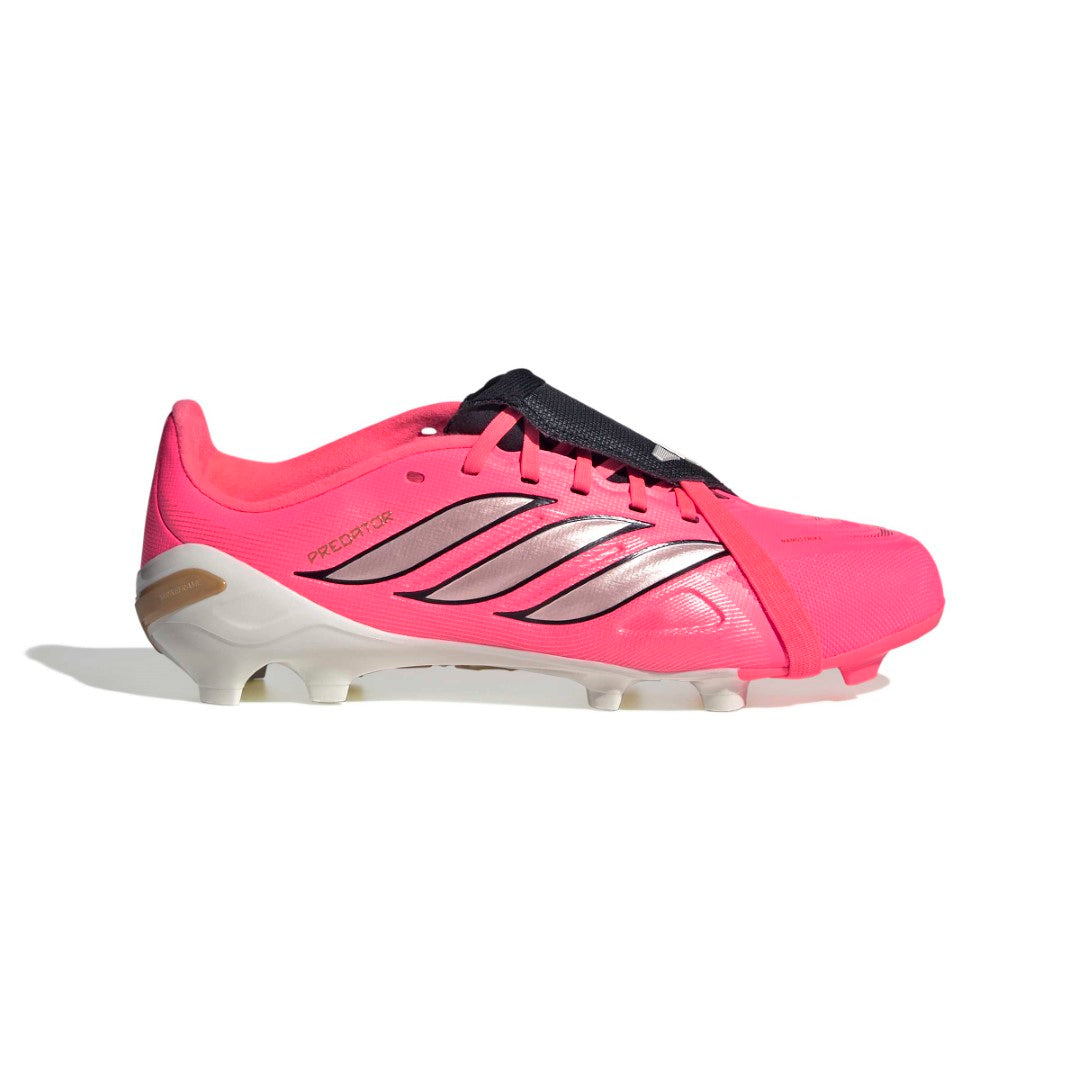
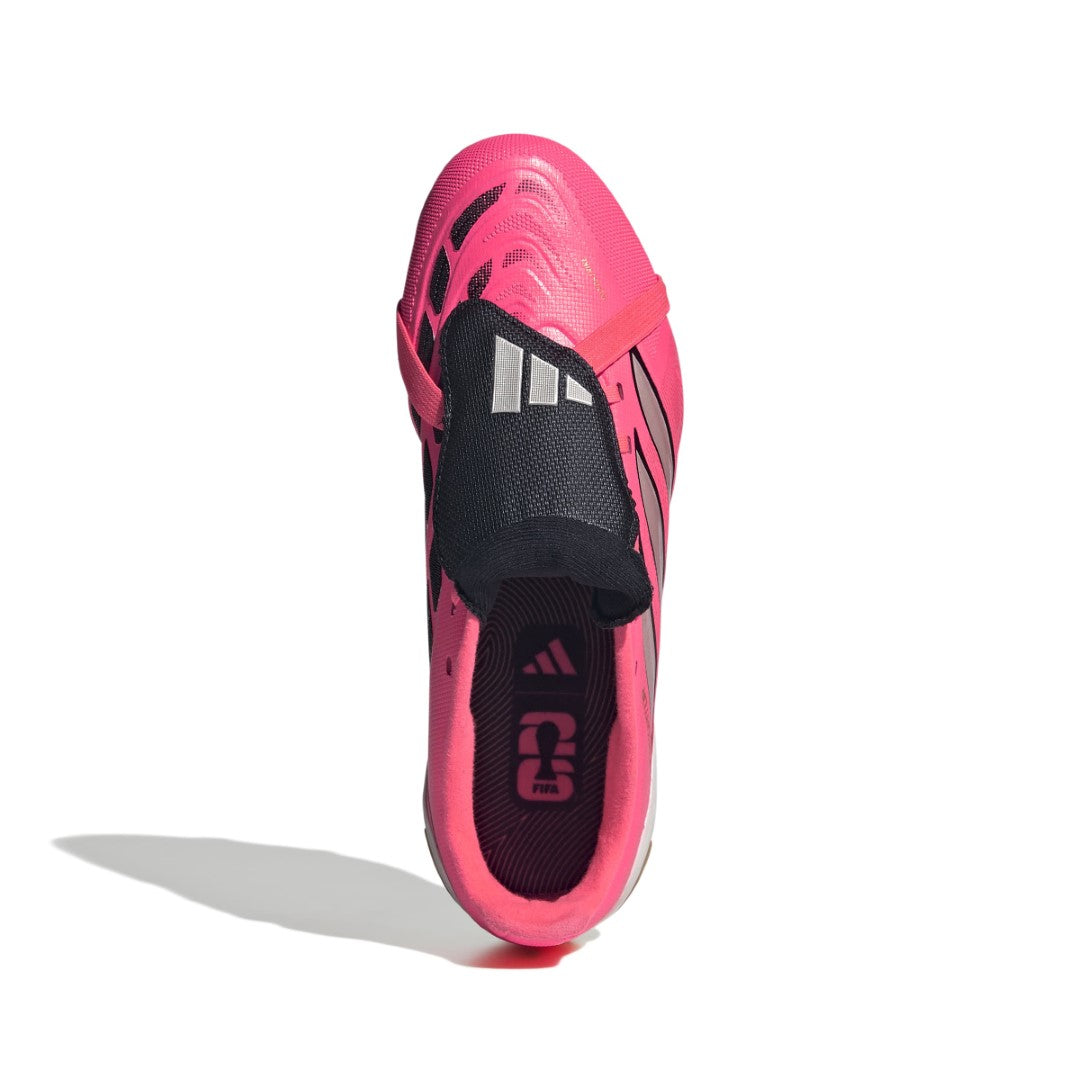
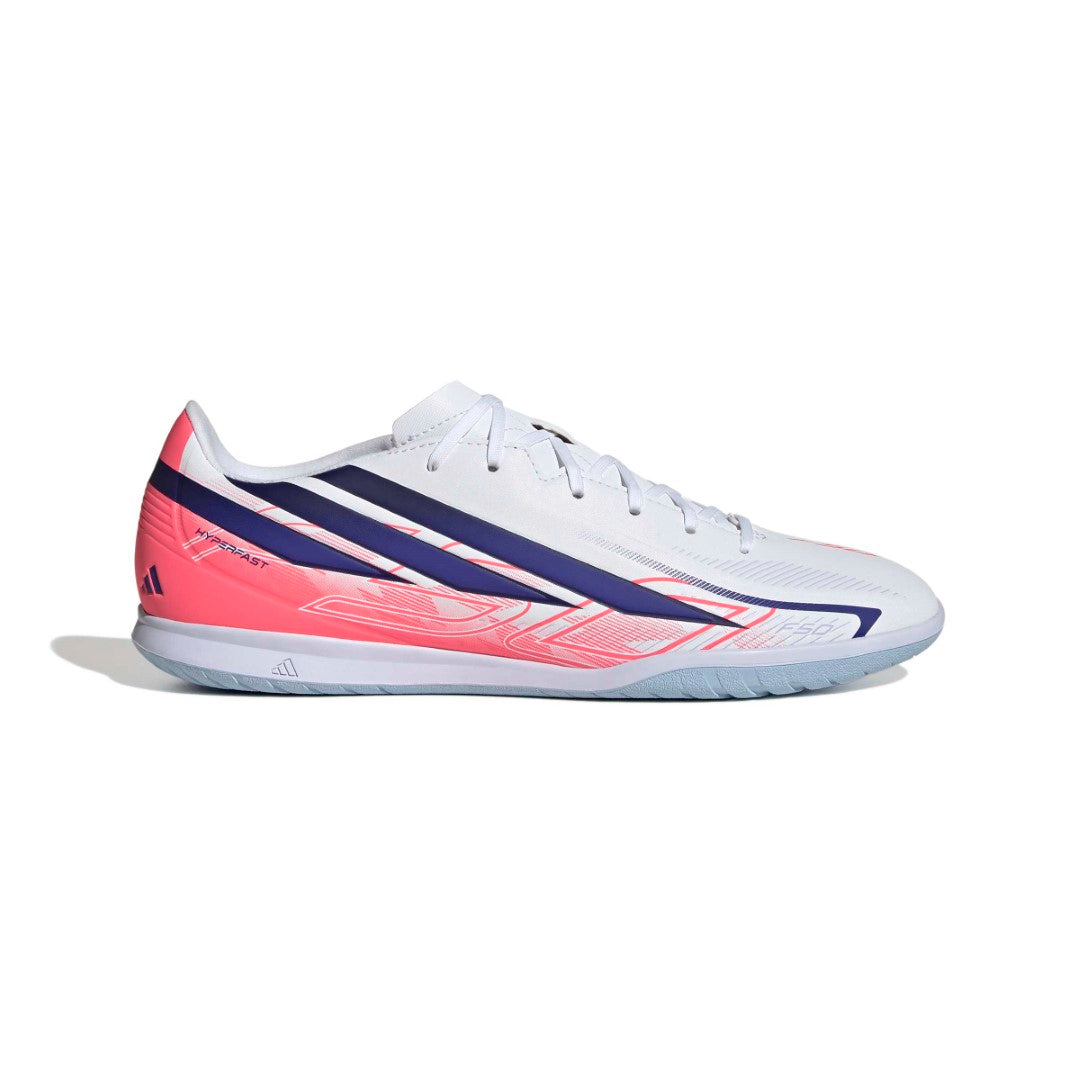
Match the sole to your pitch first
Picture one pair doing two jobs: a weeknight game on short artificial turf, then a weekend match on grass. For that pair, the sole matters more than the colour. The letters after the model name tell you which surface it was built for.
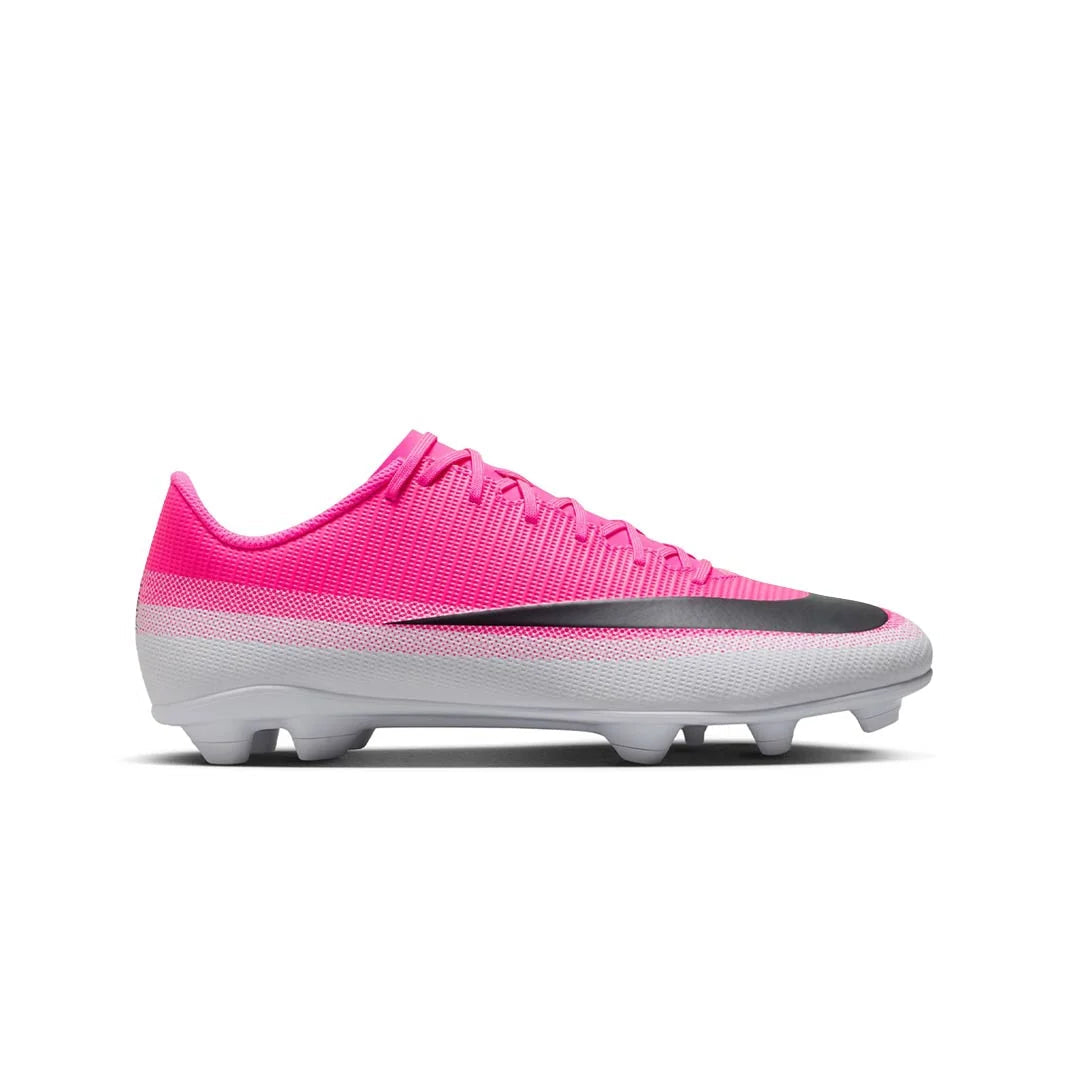
Natural grass and long-blade artificial grass take moulded studs. Nike says its Firm Ground (FG) studs suit natural grass and artificial pitches with longer blades. Puma rates its FG/AG boots for firm natural ground and 4G artificial grass.
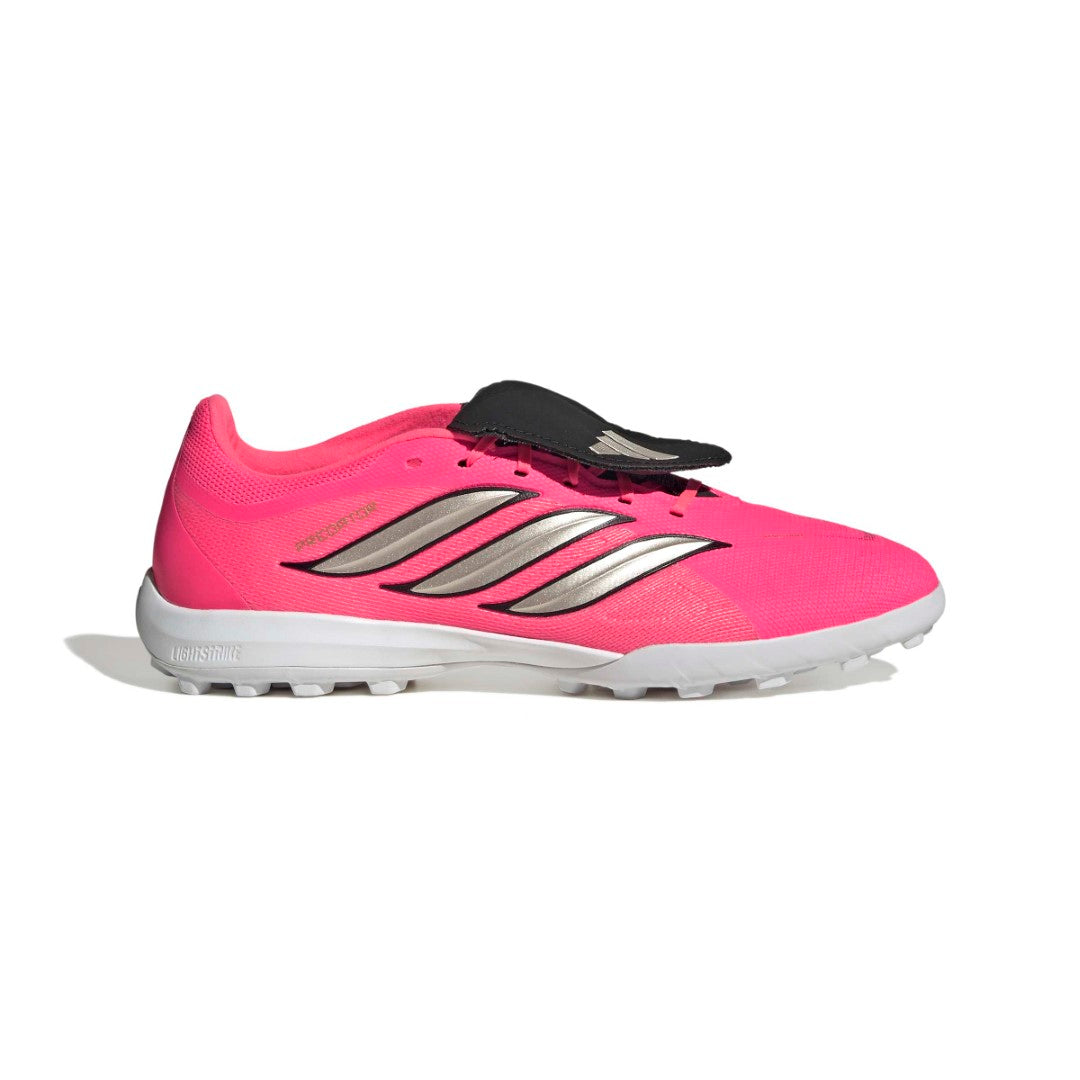
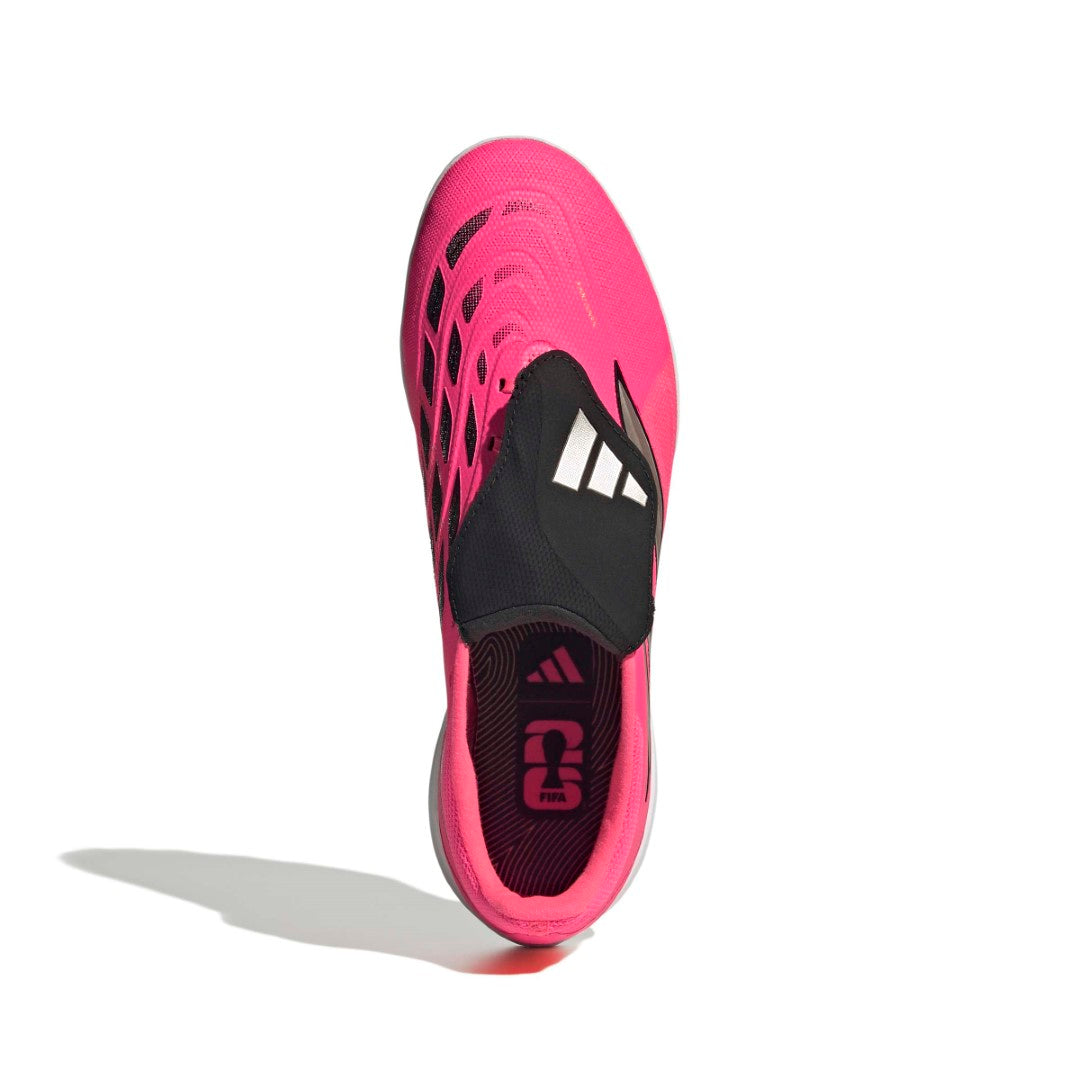
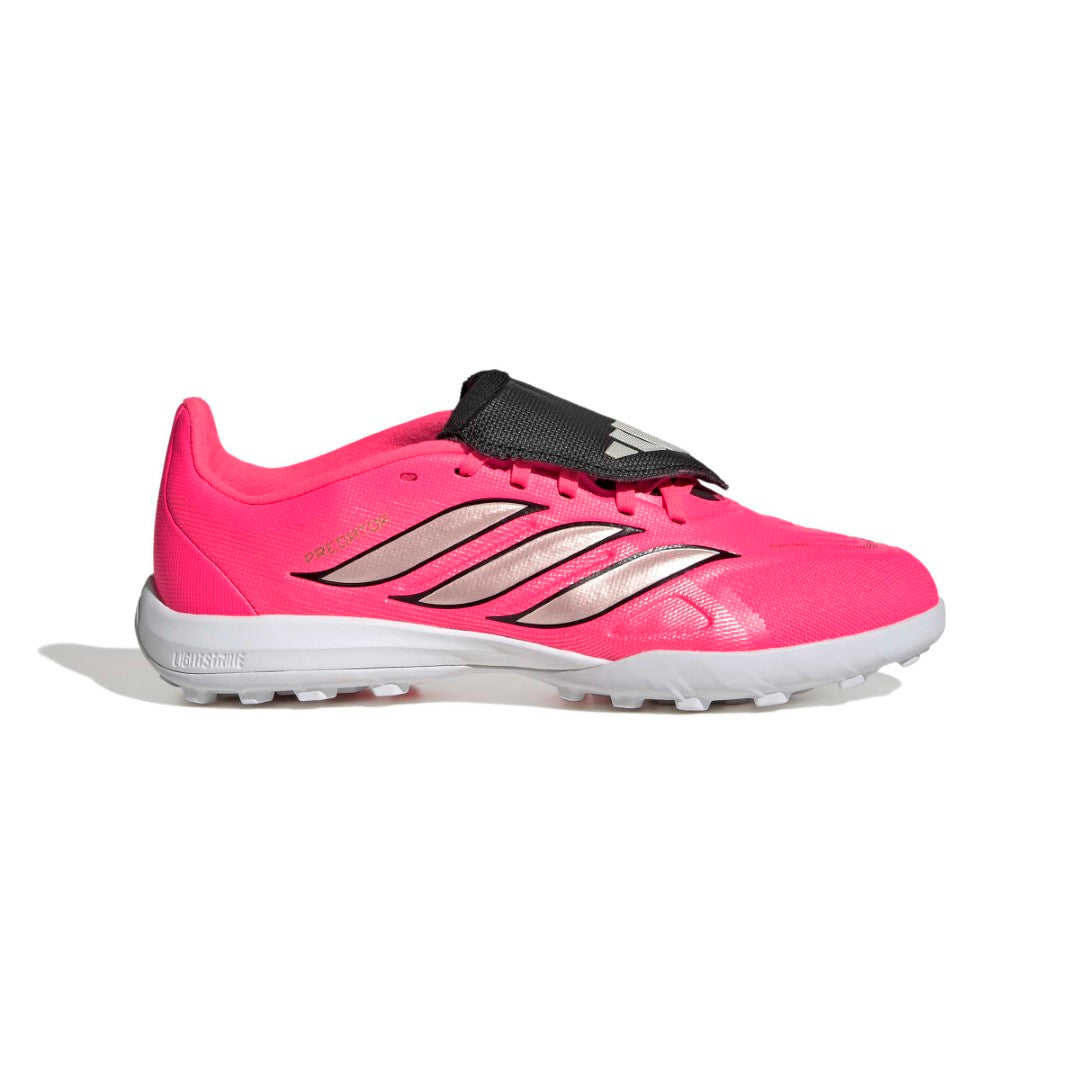
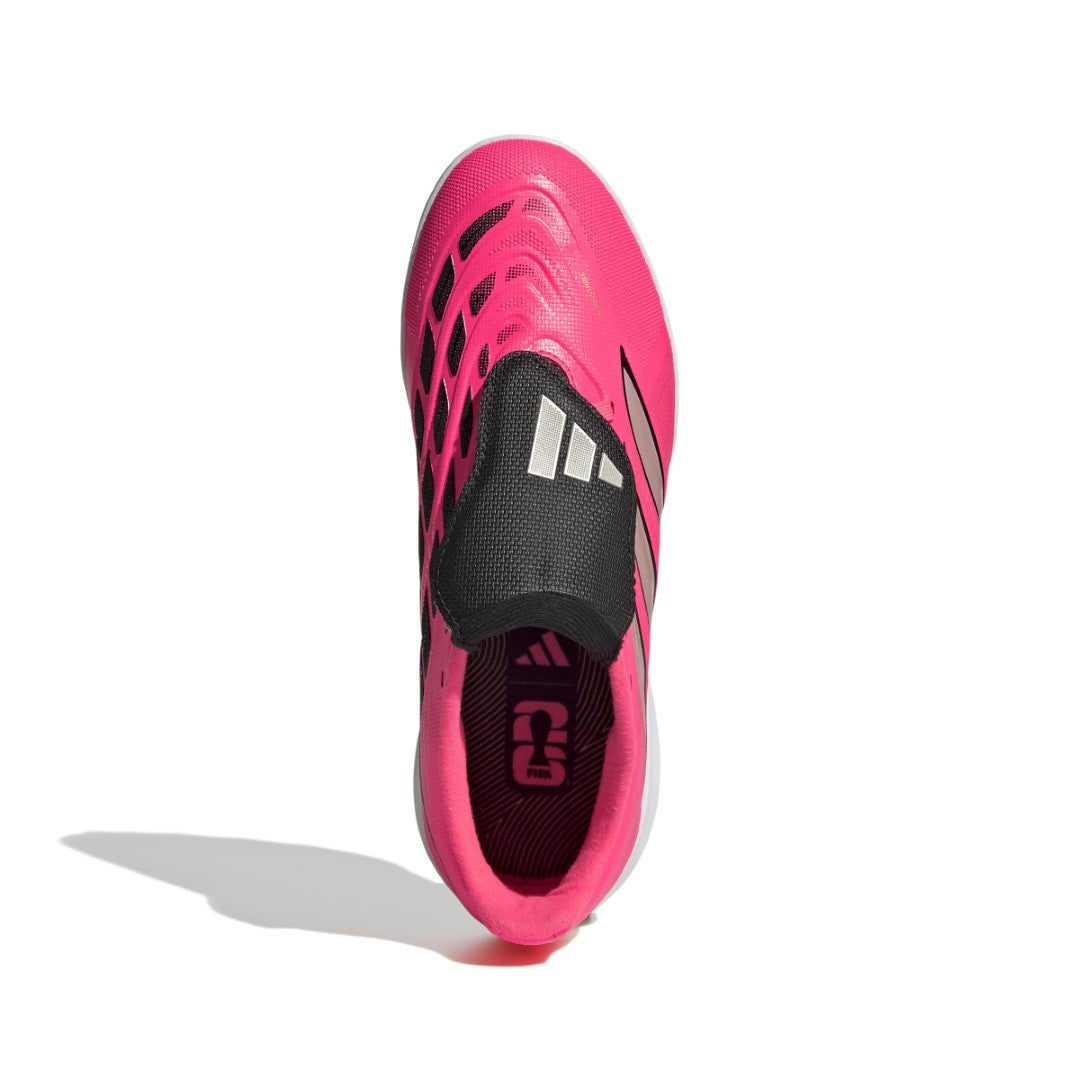
Short, firm artificial pitches call for a turf sole. Nike designs Turf (TF) soles for older artificial pitches, which are shorter and firmer than 3G and 4G fields. They use smaller, shorter studs on a rubber outsole. Puma makes its TT soles for 2G pitches.
Not sure which pitch you will get? Nike says its Multi-Ground (MG) boots work on most surfaces, except indoor courts and concrete floors.
What the sole codes mean on Nike, adidas and Puma
Each brand writes the same idea in its own letters. Use this quick decoder:
- Grass and long artificial grass: Nike FG or MG, adidas Firm Ground/Multi Ground (FG/MG), Puma FG/AG.
- Short, firm artificial turf: Nike TF, adidas Turf, Puma TT.
- Indoor courts: Nike IC, adidas Indoor or Sala.
- One pair for several surfaces: adidas Flexible Ground, which adidas designs for play on a variety of surfaces.
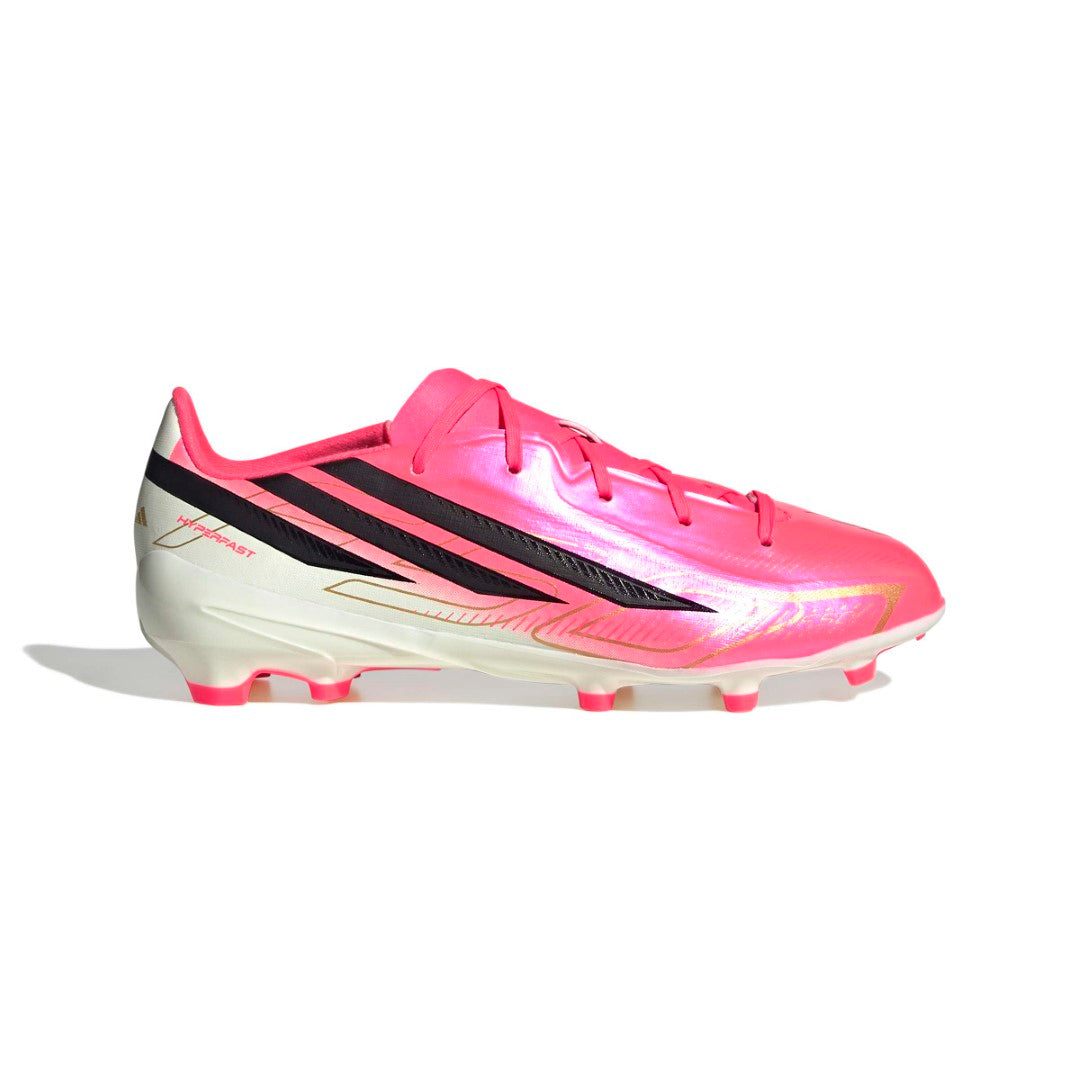
On adidas, read the full product title. The brand often puts two codes on one boot, such as Firm Ground/Multi Ground, and says that sole gives traction on artificial pitches and natural grass.
Club, Academy, Pro or Elite: how much boot do you need?
Nike sorts its boots into four levels. Club is for beginners and casual players. Academy suits recreational and developing players. Pro and Elite are built for serious competitive play.
If you are buying your first pair, start with a Club-level MG or FG/MG boot from our men's football shoes or kids' football shoes. Add a turf pair only if you also play on short artificial pitches, and pick up shin guards from our football accessories.