





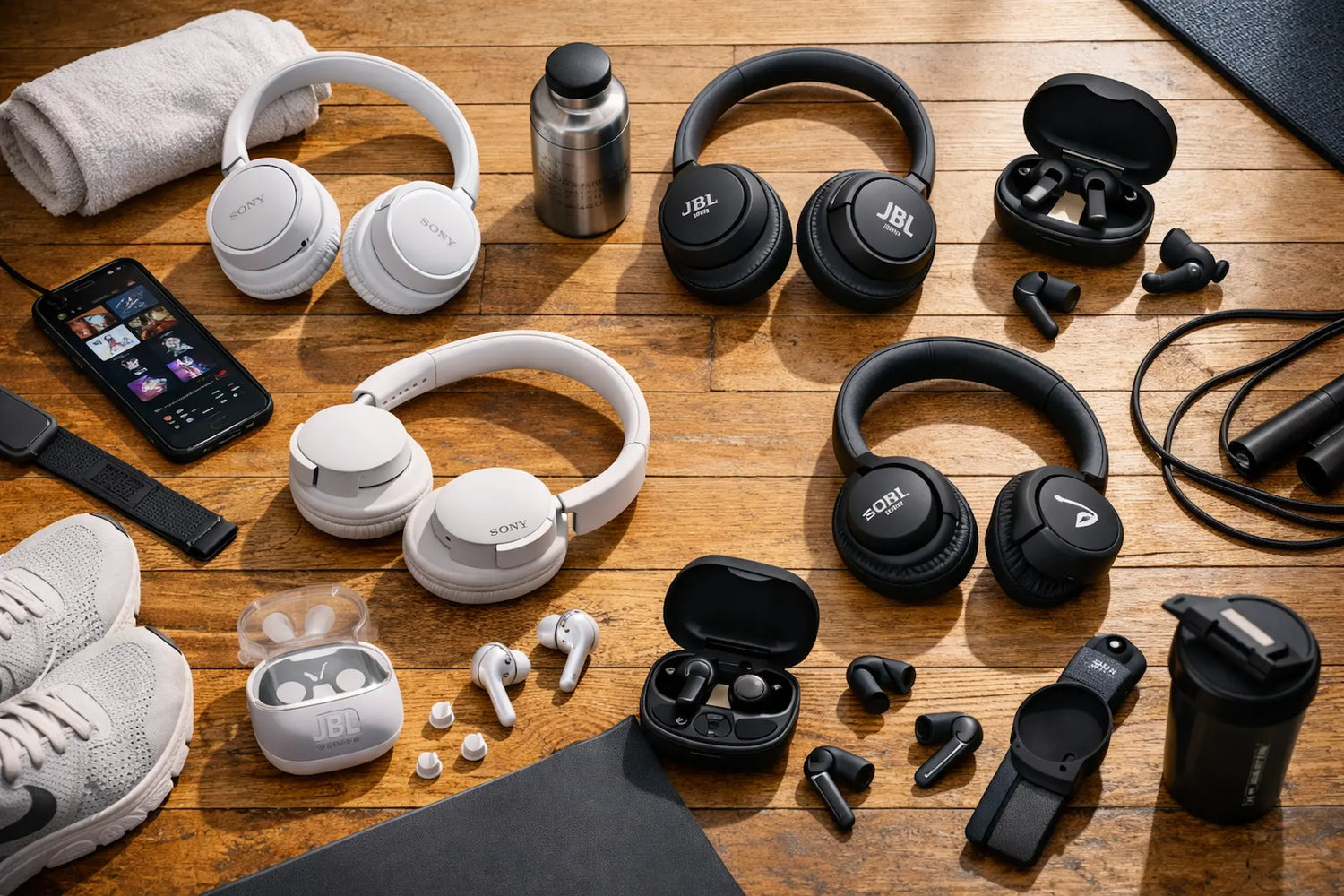
The right sports headphones transform your workout. Music drives motivation. Rhythm synchronizes movement. Sound pushes you past limits. In 2026, athletic audio technology reaches new heights.
Athletes demand more from their headphones. Secure fit during intense movement. Sweat resistance through grueling sessions. Battery life for marathon training days. Sound quality that doesn't sacrifice for durability. The perfect pair balances all these elements.
This guide cuts through the noise. From wireless running headphones to bone conduction innovations, we cover what actually matters. No marketing fluff. Just honest assessments of what works for serious athletes. Whether you're training for competition or crushing gym sessions, the right audio gear makes every workout better.
TLDR
The best sports headphones for 2026 combine secure fit, sweat resistance (minimum IPX4 rating), and 8+ hours battery life. Wireless earbuds dominate for gym workouts. Bone conduction headphones excel for outdoor running safety. Over-ear options suit cycling and cross-training. Choose based on your primary activity: running needs lightweight and stable; gym requires sweatproof and durable; outdoor sports benefit from open-ear awareness.
Why Sports Headphones Matter for Performance
Music isn't just entertainment during exercise. It's a performance enhancer. Studies show the right tempo increases endurance by 15%. Motivating lyrics push you through final reps. Rhythm synchronizes stride cadence for runners.
Regular headphones fail athletes quickly. Sweat corrodes internal components. Loose fit causes constant readjustment. Poor battery dies mid-workout. These interruptions break focus and momentum.
Sports-specific headphones solve these problems. Sweat-resistant coatings protect electronics. Secure designs stay put during burpees and sprints. Extended battery powers through long training sessions. The investment pays off in consistency and performance gains.
Types of Sports Headphones
Wireless Sports Earbuds
Wireless earbuds dominate the athletic audio market. No cables means no snags during movement. Compact size fits comfortably under helmets and hats. Modern designs offer surprisingly powerful sound in tiny packages.
True wireless earbuds completely eliminate cords. Each earbud operates independently. This maximizes freedom of movement. The charging case provides multiple recharges. Most quality models deliver 6-8 hours per charge, with cases adding 20+ hours total.
Look for earbuds with secure-fit designs. Wing tips provide extra stability. Ear hooks prevent loss during jumping movements. The best models stay locked in place through any workout intensity.
Bone Conduction Headphones
Bone conduction technology changes the game for outdoor athletes. Sound travels through cheekbones to inner ear. This leaves ear canals completely open. You hear your music while maintaining full environmental awareness.
Runners love bone conduction for safety. You hear approaching vehicles, cyclists, and other people. Trail runners catch natural sounds like wildlife or changing weather. The open-ear design also prevents the pressure buildup that causes ear fatigue.
The tradeoff is sound quality. Bass response can't match traditional headphones. Volume struggles in very loud environments. But for outdoor training where awareness matters, bone conduction offers unmatched benefits.
Over-Ear Wireless Headphones
Over-ear headphones suit specific athletic needs. Cyclists appreciate the secure fit that handles road vibration. Cross-training athletes value the superior sound quality during varied workouts. The larger size accommodates bigger batteries for extended sessions.
Modern sports over-ear models use lightweight materials. Breathable ear cushions reduce sweat buildup. Adjustable headbands ensure stable fit during movement. Noise cancellation helps gym-goers focus in crowded fitness centers.
Essential Features for Athletic Headphones
IP Rating and Sweat Resistance
IP ratings tell the waterproof story. IPX4 handles sweat and light rain. IPX5 withstands heavy perspiration and water jets. IPX7 survives full submersion for swimmers. Don't skip this specification.
Sweat is acidic and corrosive. It destroys unprotected electronics quickly. Sports headphones need nano-coating or sealed construction. The difference between IPX4 and no rating is months versus weeks of lifespan.
Consider your sweat level honestly. Heavy sweaters need minimum IPX5. Light perspirers can succeed with IPX4. Swimmers require IPX7 or higher. Match the rating to your reality.
Secure Fit Technology
Fit matters more than any other feature. The best sound quality means nothing if headphones fall out. Multiple ear tip sizes accommodate different ear shapes. Wing tips add stability for intense movement.
Ear hook designs wrap around the outer ear. This distributes pressure and prevents shifting. Some models use adjustable hooks for custom fit. Test the fit with actual movement before committing.
Weight distribution affects comfort during long sessions. Lighter isn't always better if it sacrifices stability. The ideal balance depends on your specific activities and preferences.
Battery Life Requirements
Battery life varies dramatically across models. True wireless earbuds typically offer 6-8 hours. Over-ear models push 20-30 hours. Bone conduction headphones average 8-10 hours.
Calculate your needs realistically. Morning gym sessions need 1-2 hours. Marathon training requires 3-5 hours. All-day events demand 8+ hours. Add buffer for battery degradation over time.
Quick charging technology helps in emergencies. Many models now offer 1-hour playback from 10-minute charging. This feature saves workouts when you forget to charge overnight.
Best Headphones by Sport
Running Headphones
Runners need lightweight, secure, and stable designs. Every gram matters over distance. Secure fit prevents constant adjustment. Stability handles the repetitive impact.
Outdoor runners should consider bone conduction. Safety trumps sound quality on roads and trails. You need to hear traffic, cyclists, and potential hazards. Open-ear design delivers this awareness.
Treadmill runners can prioritize sound quality. Environmental awareness matters less indoors. Noise isolation helps focus in crowded gyms. Look for strong bass to match stride rhythm.
Gym and Weightlifting Headphones
Gym workouts demand sweat resistance above all. Intense lifting sessions produce heavy perspiration. The headphones face this moisture assault repeatedly. IPX5 minimum rating is essential.
Wireless earbuds work best for most gym movements. No cables to snag on equipment. Compact size fits under lifting straps and supports. Secure fit handles burpees, box jumps, and sprints.
Some lifters prefer over-ear headphones. The larger size provides superior noise cancellation. This helps focus during heavy compound lifts. Just ensure the model offers adequate sweat protection.
Swimming and Water Sports Headphones
Swimming headphones require specialized construction. IPX7 or IPX8 rating is mandatory. These levels survive full submersion. Many swimmers choose bone conduction for comfort and stability.
Bluetooth doesn't work underwater. Swimmers need headphones with onboard storage. Look for models with 4-8GB memory. Load your playlist directly onto the device.
Fit is critical for swimming headphones. Water pressure and movement challenge even the best designs. Test thoroughly before race day. Consider goggle strap integration for extra security.
Best Sports Headphones at WayUP Sports
WayUP Sports offers carefully selected sports headphones for every athletic need. Here are the standout options for 2026.
SONY WH-CH720N Wireless Noise Canceling Headphone

- 5,310.00 EGPRegular price: 5,590.00 EGP
- Save 5% on premium Sony audio technology
- Unisex design fits all athletes
- Advanced noise cancellation for focus
- Up to 35 hours battery life
- Lightweight design for extended wear
- Quick charging: 3 minutes = 1 hour playback
- Multipoint connection for seamless switching
- Custom sound via Sony app
- Perfect for gym and cross-training
- Comfortable ear cushions for long sessions
The SONY WH-CH720N brings professional-grade noise cancellation to athletic training. The 35-hour battery life handles even the longest training weeks without recharging. Lightweight construction prevents fatigue during extended sessions. Sony's sound customization lets you tune the audio to match your workout intensity. The quick-charge feature saves workouts when you forget to plug in overnight.
JBL Tune 670NC - Noise Cancelling Headphones

- 4,720.00 EGPRegular price: 4,959.00 EGP
- Save 5% on JBL's athletic audio expertise
- Unisex design
- Active noise cancelling technology
- JBL Pure Bass sound
- Up to 70 hours battery life
- Lightweight and foldable
- Multi-device connectivity
- Voice assistant compatible
- Comfortable for all-day wear
- Perfect for varied training routines
The JBL Tune 670NC delivers exceptional value for serious athletes. The 70-hour battery life means you charge weekly, not daily. JBL Pure Bass provides the low-end punch that drives intense workouts. Active noise cancellation helps you focus in any environment. The foldable design travels easily to different training locations.
cardoO HeadPhone 3

- 2,499.00 EGP
- Unisex design
- Budget-friendly performance
- Wireless Bluetooth connectivity
- Comfortable over-ear design
- Solid battery life
- Clear audio quality
- Lightweight construction
- Great for beginners
- Reliable daily training companion
The cardoO HeadPhone 3 proves quality sports audio doesn't require premium pricing. This accessible option delivers solid performance for daily training. The wireless design eliminates cable hassles. Comfortable construction supports extended workout sessions. Perfect for athletes building their fitness journey without breaking the budget.
JBL Tune Flex 2 Ghost Edition Earbuds

- 5,870.00 EGPRegular price: 6,175.00 EGP
- Save 5% on premium workout earbuds
- Unisex true wireless design
- Secure fit for intense movement
- IPX4 water resistance
- Active noise cancellation
- Up to 32 hours total battery
- JBL Pure Bass sound
- Voice-aware technology
- Multiple ear tip sizes
- Perfect for gym and running
The JBL Tune Flex 2 Ghost Edition combines style with serious athletic performance. The secure-fit design stays locked during burpees, sprints, and jumping movements. IPX4 rating handles heavy sweat sessions. Active noise cancellation helps you focus in crowded gyms. The 32-hour total battery life covers a full week of training. Check out more wireless earbuds options for comparison.
JBL Live Beam 3 Earbuds

- 9,700.00 EGPRegular price: 10,203.00 EGP
- Save 5% on flagship athletic earbuds
- Unisex premium design
- Advanced adaptive noise cancelling
- Spatial audio technology
- IPX5 water resistance
- Up to 48 hours total battery
- Smart charging case
- Customizable sound profiles
- Superior call quality
- Ultimate training companion
The JBL Live Beam 3 represents the pinnacle of sports audio technology. Adaptive noise cancelling adjusts to your environment automatically. IPX5 rating withstands the heaviest training sessions. The 48-hour total battery means you charge once weekly. Spatial audio creates an immersive training environment. Premium sound quality doesn't compromise athletic functionality.
cardoO Buds

- 1,699.00 EGP
- Unisex design
- Most affordable true wireless option
- Compact and lightweight
- Bluetooth wireless connectivity
- Decent battery life
- Clear sound quality
- Comfortable fit
- Great starter earbuds
- Perfect for casual training
The cardoO Buds offer the most accessible entry into true wireless sports audio. At this price point, you get reliable wireless connectivity and comfortable fit for daily workouts. The compact design fits easily in pockets and gym bags. Perfect for athletes starting their fitness journey or those wanting backup earbuds for travel.
Fit and Comfort Considerations
Ear Tip Selection
Ear tip size determines comfort and sound quality. Too small allows sound leakage and causes shifting. Too large creates pressure and fatigue. Most quality earbuds include multiple sizes.
Test each size systematically. Insert the earbud and shake your head vigorously. Jump in place. Simulate your actual workout movements. The right size stays comfortable and secure through all tests.
Material matters as much as size. Silicone tips offer durability and easy cleaning. Foam tips provide superior noise isolation but wear faster. Some athletes keep both types and switch based on workout environment.
Pressure Points and Fatigue
Long training sessions reveal pressure points. The tragus (small flap covering ear opening) often suffers first. Earbuds that press too hard cause pain within 30 minutes.
Over-ear headphones distribute pressure across larger areas. This prevents hotspots during extended wear. Look for models with memory foam cushions. These adapt to your unique head shape.
Weight distribution affects fatigue. Earbuds with heavy charging cases can pull on ear canals. Bone conduction headphones sometimes create tension on temples. Test comfort over at least one hour before committing.
Sweat and Moisture Management
Sweat creates multiple problems beyond electronics damage. Moisture makes earbuds slip out of position. Wet ear cushions become uncomfortable quickly. Salt buildup reduces hygiene.
Hydrophobic ear tips repel moisture. This maintains secure fit throughout sweaty sessions. Breathable materials in over-ear cushions reduce sweat accumulation. Some premium models include antimicrobial treatments.
Clean your sports headphones after every intense workout. Sweat residue accelerates wear and creates odors. Simple maintenance extends lifespan significantly.
Sound Quality vs. Durability
The Sports Audio Tradeoff
Audiophiles face reality in sports headphones. Maximum sound quality requires construction that compromises durability. Sealed enclosures that optimize bass can't achieve IPX7 ratings. The physics don't align.
Sports headphones prioritize durability and fit over absolute sound perfection. This doesn't mean poor audio. Quality models deliver excellent sound within their design constraints. But they won't match studio reference headphones.
Set appropriate expectations. Your running headphones won't reproduce the soundstage of home listening systems. They will provide motivating, clear audio that enhances your training. That's the goal.
Bass Response for Training
Bass drives athletic performance. Low frequencies synchronize with movement. Heavy bass matches the intensity of strength training. Runners often match stride cadence to bass beats.
Sports headphones often emphasize bass response. This serves athletic needs well. Some purists complain about "boomy" sound. But athletes appreciate the extra low-end punch during intense efforts.
Adjustable EQ helps customize sound. Many apps let you boost or reduce bass to taste. This personalization maximizes the motivational impact of your training soundtrack.
Battery Life and Wireless Connectivity
Real-World Battery Performance
Manufacturer battery claims represent ideal conditions. Maximum volume drains faster. Noise cancellation consumes extra power. Cold weather reduces capacity. Expect 70-80% of rated battery life in actual use.
Track your specific usage patterns. Note how long batteries last at your preferred volume. Factor in your noise cancellation usage. This data helps you choose the right capacity for your needs.
Battery degradation is inevitable. Lithium batteries lose 20% capacity after 500 charge cycles. Plan for replacement or reduced performance after 18-24 months of regular use.
Bluetooth Connectivity Reliability
Bluetooth 5.0 or newer is essential. Older versions suffer connection drops and latency. Modern Bluetooth delivers stable connectivity with minimal lag.
Interference happens in crowded gyms. Multiple Bluetooth devices competing for bandwidth cause dropouts. This frustration can't always be avoided. Higher-quality chips handle interference better.
Multipoint connectivity lets you connect to multiple devices simultaneously. Switch between your phone and laptop without re-pairing. This convenience matters for athletes who train with various devices.
Care and Maintenance
Post-Workout Cleaning
Clean your headphones after every sweaty session. Wipe earbuds with a dry cloth immediately. This prevents sweat from settling into crevices. For deeper cleaning, use slightly damp cloth with mild soap.
Remove ear tips weekly for thorough cleaning. Wash silicone tips with soap and water. Replace foam tips monthly with heavy use. Don't forget the mesh screens where ear tips attach.
Over-ear cushions need attention too. Wipe down after each use. Remove cushions monthly for washing if possible. Some models offer replaceable cushions when the original wears out.
Storage and Protection
Store headphones in their case always. This prevents damage and loss. Cases protect from impacts and moisture. The small investment in organization pays off in longevity.
Keep charging ports clean and dry. Lint and debris accumulate in these openings. Compressed air clears buildup safely. Avoid liquid near charging contacts.
Don't store headphones in extreme temperatures. Car trunks in summer exceed safe limits. Cold winter storage can damage batteries. Room temperature storage maximizes lifespan.
Frequently Asked Questions
What are the best headphones for running?
The best running headphones balance secure fit, lightweight design, and environmental awareness. For outdoor running, bone conduction headphones offer unmatched safety by keeping ears open to traffic and hazards. For treadmill running, wireless earbuds with secure-fit designs work excellently. Look for minimum IPX4 sweat resistance, 6+ hours battery life, and designs that stay stable during repetitive impact. The JBL Tune Flex 2 and JBL Live Beam 3 both excel for running with their secure fits and excellent battery life.
Are bone conduction headphones good for the gym?
Bone conduction headphones work well for specific gym scenarios but aren't ideal for all workouts. They excel for activities where environmental awareness matters, like group fitness classes or shared training spaces. However, they can't match traditional headphones for sound quality during focused lifting sessions. The open-ear design also means less noise isolation in loud gym environments. Consider your primary gym activities before choosing bone conduction technology.
How do I prevent headphones from falling out during workouts?
Preventing headphone slippage requires proper fit selection and design features. First, test all included ear tip sizes to find your perfect match. Look for earbuds with wing tips or ear hooks for extra stability. Insert earbuds with a slight twist to lock them in place. For over-ear models, adjust the headband for snug but comfortable pressure. Some athletes use sports headbands to provide extra security. If standard earbuds won't stay put, consider ear hook designs or bone conduction alternatives.
What IP rating do I need for sports headphones?
IP ratings indicate water and dust protection levels. For most athletes, IPX4 minimum is recommended - this handles sweat and light rain. Heavy sweaters or outdoor athletes should choose IPX5 for protection against sustained water jets. Swimmers require IPX7 or IPX8 for submersion protection. Remember that higher ratings often come with premium prices. Match the rating to your actual needs rather than over-buying protection you won't use.
Do wireless headphones have delay for workout videos?
Bluetooth latency exists but modern headphones minimize it significantly. Bluetooth 5.0 and newer standards reduce delay to imperceptible levels for most activities. Some premium models offer low-latency modes specifically for video. If you frequently follow workout videos, test headphones with your actual content before purchasing. The slight delay rarely affects music-only workouts but can be distracting with video instruction.
How long should sports headphones last?
Quality sports headphones typically last 18-24 months with regular athletic use. Battery degradation becomes noticeable after 500 charge cycles. Sweat exposure accelerates wear on electronics and materials. Proper maintenance extends lifespan - clean after workouts, store properly, and handle gently. Budget models may last 6-12 months. Premium models with excellent build quality and care can exceed 3 years. The WayUP Sports collection includes durable options across all price points.
Conclusion: Choose Audio That Moves With You
The right sports headphones enhance every aspect of training. Music becomes your motivator. Rhythm drives your movements. Sound blocks distractions. The technology has evolved to meet athletic demands without compromise.
Your choice depends on your primary activities. Runners need secure, lightweight designs with good awareness. Gym athletes prioritize sweat resistance and durability. Multi-sport athletes benefit from versatile all-around options. Match features to your actual training patterns.
WayUP Sports offers options across every price point and athletic need. From the premium JBL Live Beam 3 at 9,700.00 EGP (save 5%) to the accessible cardoO Buds at 1,699.00 EGP, quality audio fits every budget. The SONY WH-CH720N at 5,310.00 EGP (save 5%) and JBL Tune 670NC at 4,720.00 EGP (save 5%) represent excellent value in the mid-range. Even the budget-conscious cardoO HeadPhone 3 at 2,499.00 EGP delivers solid daily performance.
Don't compromise on the audio that drives your training. Quality sports headphones pay dividends in motivation, consistency, and performance. The right pair becomes part of your training identity. They're there for every PR, every breakthrough, every moment you push beyond limits.
Start your search with your primary sport. Prioritize fit and durability over brand names. Test thoroughly before committing to expensive models. And remember - the best sports headphones are the ones that keep you motivated and moving forward.

Leave a comment
This site is protected by hCaptcha and the hCaptcha Privacy Policy and Terms of Service apply.